
Xiaomi put a name on a shape. Mid-fold. On 3 September 2026, TechNode filed the exterior: a 5.38-inch cover screen, a 7.58-inch inner screen, a horizontal camera strip on the back. The launch is set for 7 September in China. The chip is Xiaomi's own Xring O3. The software stack TechNode lists is HyperOS 4 with an on-device MiMo model.
Here's what happened in plain order. Xiaomi showed the full outside of the Xiaomi 18 Fold and called the design a mid-fold. That is not a vague marketing fog. The cover display is 5.38 inches. Opened, the main display is 7.58 inches. The rear camera module runs as a horizontal strip. TechNode's source for the design package is Jiemian. The event date is Monday, 7 September.
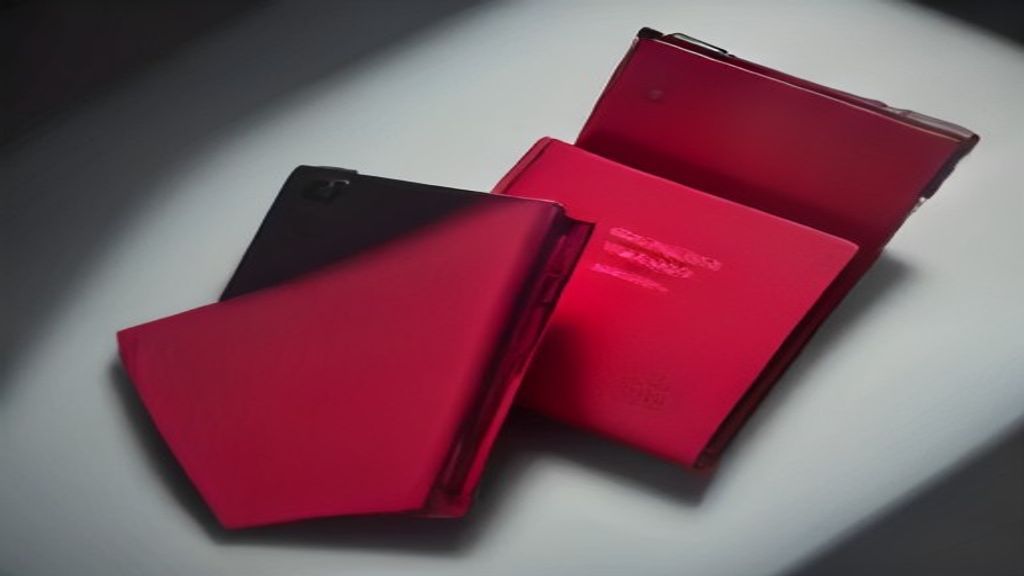
You might have missed the point of the label. Big book-style foldables give you a large inner panel and often leave people living on a tall, narrow cover screen. Clamshell flips are easy to pocket and usually give up multitasking space, battery headroom, or camera ambition. Xiaomi's pitch, as GizChina and NokiaMob summarise the promotional push, is the middle of that trade: passport-sized when closed, one-handable on the cover, then a wider inner panel aimed at video and multitasking rather than a stretched copy of the same tall shape.
What mid-fold is supposed to fix
Lu Weibing runs Xiaomi's smartphone business. Secondary writeups of the promotional material say he is framing the 18 Fold as Xiaomi's most advanced flagship, built to compete with the company's regular numbered flagships rather than sit only in a foldable niche, and that he expects mid-fold geometry to become a wider industry direction. Those are claims from the launch roadshow, not independent lab results. File them as positioning. The review comes after 7 September.
The hardware that is already on the record is concrete enough to walk through. Xiaomi's own video, as GizChina and NokiaMob report it, confirms the 5.38-inch cover and 7.58-inch inner displays. The phone appeared in a red finish in the promo cut. The rear strip holds three cameras and an LED flash. Xiaomi confirmed Leica's involvement in the camera system, which matches how the company has been branding its premium camera stack on recent numbered flagships.
Inside the hinge story is a name: dragon bone. NokiaMob and GizChina both report a new hinge design backed by a simulation-based testing process. Durability numbers for drop cycles, crease visibility, and dust ingress are not in the public exterior package TechNode summarised on 3 September. So the hinge is named and tested in Xiaomi's own process. Independent crease and longevity numbers wait for units.
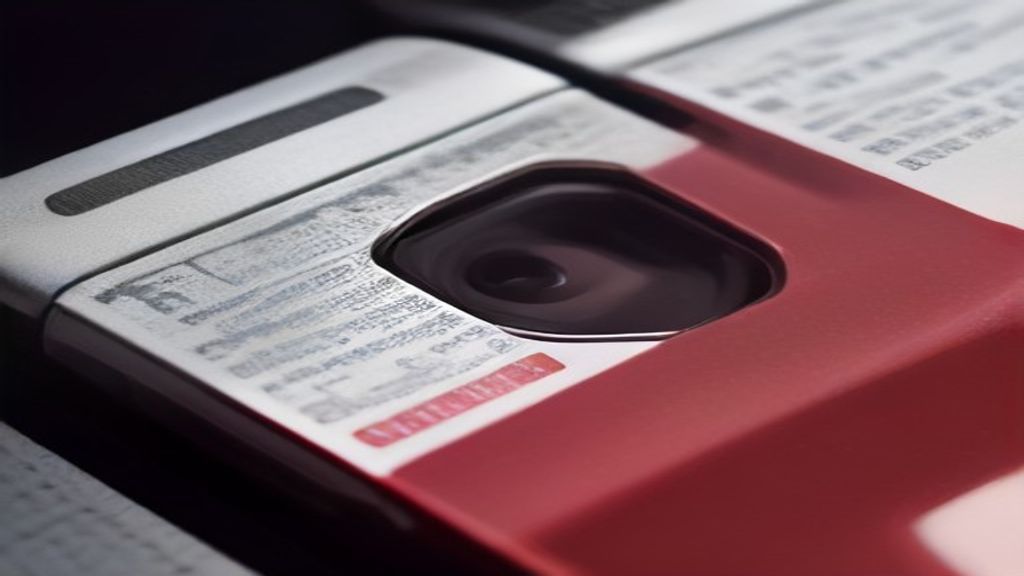
The silicon is the other half of why this fold matters on a tech desk. Notebookcheck's 2 September report says the 18 Fold is the primary launch device for Xiaomi's in-house Xring O3, built on a 3-nanometre process and paired with LPDDR6 memory from ChangXin Memory Technologies, or CXMT. That pairing is two Chinese-developed core components in one chassis. Xiaomi is not borrowing Qualcomm's top Snapdragon for the fold's debut story. It is putting its own SoC on stage.
Xring O3 on the fold and the tablet
Notebookcheck lists the Xring O3 as a 10-core design with a peak clock of 4.35 GHz and a 16-core G2-Ultra NX GPU. Xiaomi's own rating for that GPU, as Notebookcheck reports it, is an 85 percent performance gain and a 64 percent cut in power draw against the previous generation. Those are manufacturer comparisons. Treat them as Xiaomi's slide deck until third-party benches land on shipping hardware.
The same autumn stage carries a tablet on the same chip. The Xiaomi Pad 9 Pro Max also debuts Xring O3. Geekbench listings under model number M367FC, cited by Notebookcheck, show 3,710 single-core and 14,319 multi-core. Notebookcheck also reports expectations of a battery above 10,000 mAh and 120-watt wired charging for that tablet. Mark the battery and charger as reported expectations tied to the launch package, not as final retail sheet lines until Xiaomi reads them from the stage.
What else shares the night? Notebookcheck and Gizmochina place three electric vehicles on the same 7 September bill under the Xiaomi Pengcheng brand: N70 Pro, N70 Max, and N90 Max. Some secondary phone blogs list those N70 and N90 names as if they were handsets. The clearer automotive framing is the one to keep: phones and a tablet on Xring O3, and SUVs on the same calendar slot. If you only skim a roundup that says N70 Pro without saying car, you will misfile the desk.
Notebookcheck's read of the hands-on Weibo clips is useful for shape, not for a lab score. The real-world footage, the site says, looks closer to the wide footprint of a Huawei Pura X Max than to the taller, narrower Samsung Galaxy Z Fold 8. That is a comparison of proportions from promo video, not a side-by-side measurement of millimetres on a desk. It tells you Xiaomi wants the closed phone to feel short and wide, passport language included, rather than like a folded note tower.
The week around Monday
Software naming needs a careful line. TechNode's 3 September piece lists HyperOS 4 and the on-device MiMo model. Some secondary English blogs say Surge OS 4 instead. Xiaomi's current phone OS line in public materials is HyperOS. Surge is a name Xiaomi has used on charging hardware. This desk is filing TechNode's HyperOS 4 plus MiMo pairing as the software claim attached to the exterior reveal. If Monday's stage reads a different OS string, that becomes a correction, not a surprise twist.
Why does mid-fold land on a Wednesday night desk four days before the event? Because the exterior is no longer a rumour render. Xiaomi showed the object. The display sizes are named. The camera strip is visible. The processor and memory vendors are named in the launch reporting. Price, final battery capacity for the phone, exact camera megapixel stack, storage configs, and Australia or global timing are not in the 3 September TechNode brief. Absence is part of the story. A launch teaser that withholds the bill is still a teaser.
Put the week around it so the calendar makes sense. Poco's F9 Pro and F9 Ultra landed on 1 September with Snapdragon 8 Elite Gen 5 silicon and the camera stack this paper already filed. Apple's autumn event is on the calendar for 9 September. Xiaomi's China night is 7 September at 7 p.m. local, per Gizmochina's launch note. Between a Poco global drop and an Apple keynote, Xiaomi is trying to own the foldable conversation with a form-factor name, an in-house SoC debut, and a tablet on the same chip.
The competitive frame is not only Samsung. Wide inward folds and cover-first living have been the argument across Huawei's recent wide book designs and Samsung's taller Z Fold line. Xiaomi's bet is that passport geometry plus a 7.58-inch inner panel is the compromise people will actually carry. Weibing's industry-standard claim is the loud version of that bet. The quiet version is simpler: if the cover is usable, people will open the inner screen for the jobs that need it, and the phone stops being a novelty hinge with a compromised everyday face.
What is still off the record
Memory is easy to skim past and should not be. LPDDR6 from CXMT is not a footnote for a China-only story. It is part of how Xiaomi is telling a supply-chain story with the Xring O3: own the application processor, source next-generation DRAM from a domestic memory maker, and put both in the device that is supposed to be the most advanced thing in the lineup. Whether that stack matches Snapdragon-plus-Samsung-or-Micron memory packages on efficiency and sustained clocks is a Monday-and-after measurement problem.
What you should not invent from the teaser reel: a final Australian price, a carrier partner, a day-one HyperOS feature list beyond the MiMo on-device claim, or a crease photograph from a shipping unit. Secondary roundups have floated battery and sensor numbers that this desk is not elevating without a primary stage line or a second solid source. The verified spine for tonight is the mid-fold name, the two display sizes, the horizontal Leica-linked camera strip, the 7 September China event, Xring O3 with CXMT LPDDR6, HyperOS 4 with MiMo per TechNode, the Pad 9 Pro Max on the same SoC, and the Pengcheng N70 and N90 EVs on the same bill per Notebookcheck and Gizmochina.
If you only need the short version: Xiaomi showed a passport-sized inward fold, called it a mid-fold, put 5.38 inches on the cover and 7.58 inches inside, and set Monday 7 September in China to sell the rest of the story around its own Xring O3. The hinge has a name. The camera strip is Leica-linked. The tablet shares the chip. The cars share the night. The open questions are price, phone battery, full camera sheet, and whether mid-fold is a category other makers will copy or a Xiaomi slogan that lasts one generation.
Monday is the measurement night. Until then, the object on the table is the exterior Xiaomi chose to show, and the industrial argument it attached to the name.
The paper
Comments
No notes on this story yet.
Sign in to comment