
Here's what happened. On Monday night, 31 August 2026, the White House finally put numbers and names under the Venezuela oil deal President Trump called the biggest in world history. The short version is this: a private Venezuelan operator keeps the wells, the Pentagon takes a stake, State gets oil at cost, and the fields sit in Lake Maracaibo and the Orinoco Belt.
You might have missed this part if you only saw Friday's Truth Social post. Friday was the announcement. Monday was the structure. Tuesday, 1 September, Trump was due to sit with refiners while the Iran war still had the US pump average at $4.08 a gallon. This file is the Monday structure, told in order, with the skepticism left in.
Start with Friday, 28 August. Trump posted on Truth Social that the United States had entered an agreement with Venezuela on what he labelled, in capitals, THE BIGGEST OIL DEAL IN WORLD HISTORY. He wrote that Secretary of State Marco Rubio and Secretary of War Pete Hegseth, working with Interim President Delcy Rodríguez and through a partnership with private business, had secured majority US control of more than 65 billion barrels of proven oil reserves in Venezuela, at no cost to the American taxpayer. He said the transaction more than doubles American oil reserves, increases supply, and will substantially lower gas prices for Americans long into the future.
That was the public sentence. It named the barrels. It did not name the company. It did not name the equity split. It did not name which agency held the stake. Energy desks spent the weekend working from that post, from Rodríguez's Saturday television address, and from unnamed officials. The Associated Press, CNBC, and the NABEP press release on Monday night are what closed the gap.
Saturday, 29 August, Rodríguez went on Venezuelan television and called the pact a historic milestone. She said the agreement would develop 17 strategic fields with a proven potential of 65 billion barrels, draw more than $100 billion in investment, and could generate more than $209 billion in tax revenue for the Venezuelan state at a $65-a-barrel assumption. She put a 25-year frame on the arrangement in that address and said the initial production target was 1.5 million barrels a day. She insisted Venezuela keeps ownership and sovereignty over its resources. Those are her words on the Saturday clip, not a White House rewrite.
Sunday, 30 August, Trump posted again. This time the sentence was about the Strategic Petroleum Reserve. He said one of the things he would do with the Venezuelan oil is fill up the Strategic National Reserves, which he said had been virtually emptied, and that the topping-out process would begin very shortly. He called it a gift from Venezuela to the people of the United States. That Sunday post is a separate thread from Monday's corporate structure. The SPR angle sits later in this piece. It is not the whole deal.
Monday night, 31 August, Eastern time, the White House released a fact sheet and NABEP put out a PR Newswire statement from Caracas. The company name is North American Blue Energy Partners. The CEO is Alejandro Betancourt. The US Departments of State and War had reached a deal with NABEP to expand oil production in Venezuela. NABEP keeps operating control. The United States Government holds rights to a 35 percent stake in the company. The United States also gets preferential access to 20 percent of the company's production at cost.
Read that again if you need to. Thirty-five percent equity. Twenty percent offtake at cost. That is the stack that earlier weekend briefings had summarised as about 55 percent of effective output. The Wall Street Journal's secondary and Asia Business Daily's reprint had already sketched the 35-plus-20 arithmetic before the fact sheet landed. Monday made it official in the administration's own language.
GPB's Associated Press file and NBC News both reported that the 35 percent stake sits with the Pentagon's Office of Strategic Capital. The State Department orchestrates the guaranteed right to buy 20 percent of output at production cost. The White House fact sheet, as CNBC summarised it Monday evening, also gives the US government a right of first refusal on the remaining 80 percent of NABEP's production. Washington becomes the prioritised buyer, not just a minority offtaker.
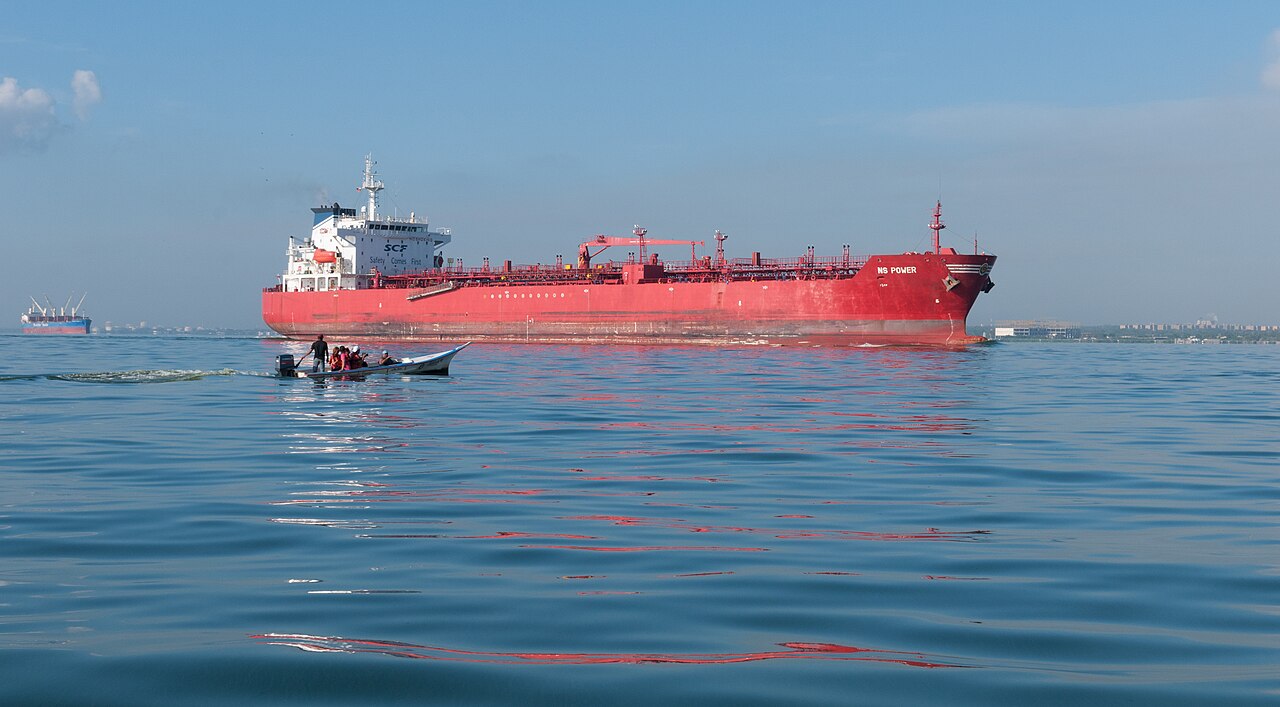
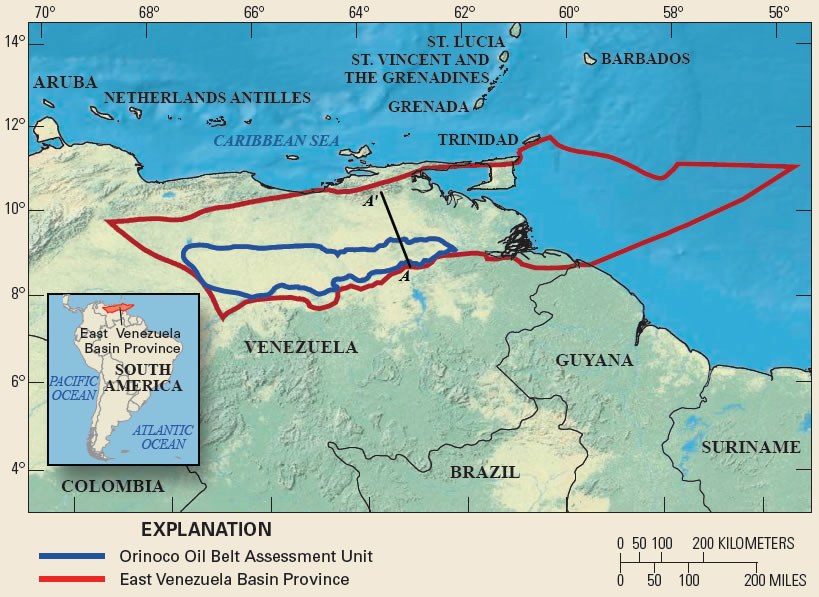
The fields are the other Monday number. Venezuelan interim authorities granted NABEP 100-year concessions over 17 oil fields with proven reserves of about 65 billion barrels. The White House said many of those fields were previously held by Russian or Chinese firms. NABEP's own release says the company now controls the rights to commercialise more than 65 billion barrels of P1 reserves and is seeking to expand rapidly in Lake Maracaibo and the Orinoco Belt, with a near-term goal of more than 1 million barrels of oil per day.
You can hold two timelines in your head without pretending they are the same document. Rodríguez's Saturday address talked about a 25-year energy agreement and a 1.5 million barrel-a-day initial target. The White House Monday sheet talks about 100-year field concessions and NABEP's own near-term goal above 1 million barrels a day. Both sets of numbers are on the public record. No full contract text has been published. This paper is not going to invent one.
Who is NABEP? The company's Monday statement is the primary on its own track record. Betancourt has been in the Venezuelan oil industry for more than 15 years. Under his leadership at NABEP, production rose from about 18,000 barrels a day to more than 200,000 barrels a day on roughly $1 billion of company-funded investment. That climb made NABEP the country's second-largest oil producer in two years, behind Chevron. The company says it directly employs more than 5,000 people and supports more than 10,000 contractor employees across Venezuela, with offices in Caracas, Maracaibo, and Lechería.
Betancourt's Monday quote, carried on PR Newswire: "Venezuela is blessed with an abundance of natural resources, hardworking people and untapped potential. This transaction will unleash that potential to the great benefit of both Venezuelans and Americans. We are grateful to President Donald J. Trump, Secretary Marco Rubio, Secretary Pete Hegseth, the United States Government, and to President Delcy Rodríguez and the Government of Venezuela, for their confidence in NABEP and their willingness to tackle this challenge with us."
The investment figure is nearly $100 billion. That number appears in the NABEP release, in Rubio's X statement, in Rodríguez's Saturday remarks, and in the White House sheet as the infrastructure commitment Betancourt's company has agreed to put up. The tax and royalty projections vary by source framing. NABEP's release says the program will generate more than $209 billion in tax revenue for the Venezuelan state. The White House sheet, as CNBC and World Oil reported it, projects about $200 billion in royalty and tax payments to Venezuelan governments over the first 25 years. Rodríguez on Saturday tied a $209 billion revenue figure to a $65-a-barrel price assumption and said about $19 from each barrel produced and sold under the arrangement would flow to Caracas. Those are printed projections. They depend on price and on barrels that have not yet been lifted.
Rubio posted to X right after the announcement. The NABEP release quotes him: "This deal is a huge win for both the American and Venezuelan people. It demonstrates how President Trump's bold foreign policy is driving America First wins: securing stable reserves and low-cost oil in our Hemisphere and lowering gas prices here at home. For the Venezuelan people, this deal will bring nearly $100 billion in private investment, support thousands of high-paying jobs, and drive the reconstruction of Venezuela's economy."
The jobs line is not only Venezuelan. NABEP says it will purchase billions of dollars of oil infrastructure and equipment from US suppliers, supporting thousands of manufacturing jobs in the United States. That is the domestic industrial pitch sitting next to the hemispheric supply pitch. Energy dominance, Western Hemisphere barrels, US shop-floor orders. That is how the administration is selling Monday's sheet.
Governance is the quieter Monday detail. The White House said the deal is at zero cost to the United States. The government would have veto power on board members. A majority of the board would be US citizens. NABEP will have reputable US auditors, lawyers, and advisers. The agreement is governed by US law and subject to the jurisdiction of US courts. GPB's AP file notes the agreement was signed by Hegseth and Rubio. That is the legal wrapper the fact sheet wants you to remember.
Why does any of this matter at the pump? Because the Iran war has already moved the price. AAA had the US national average at $4.08 a gallon on Monday, about a 28 percent increase over the past year, per the AP and CNBC files. Patrick De Haan at GasBuddy told CNBC a record Labor Day national average was basically locked unless prices somehow dropped about 20 cents, which he called next to impossible. Trump promised Friday the deal would substantially lower gas prices for all Americans long into the future. Monday he walked the near term back himself.
Asked at the White House about a timeline for prices to fall, Trump said it could be a little bit, and he played down analyst predictions that it could take years. "If it was two years, you know, that's a short period of time," he said. That quote is in the AP write-up. Keep it next to the analyst quotes. Do not pick only one.
Here is the skepticism, sourced. David Goldwyn, a former State Department special envoy for international energy affairs under President Obama, told CNBC before the Monday sheet that nothing had been published and desks were still operating on tweets and rumors. After the structure landed, the timeline problem did not vanish. Goldwyn said the deal would have absolutely no impact on gasoline prices or Venezuelan production for years to come. On the Orinoco Belt fields specifically, he said those fields will take five to seven years, at best, to deliver increased production for the market, because many lack infrastructure.
Venezuela is currently producing around 1.2 million barrels a day, down from a peak of about 3.5 million barrels a day in the late 1990s, CNBC reported. Rystad Energy estimated in January that it would take about $180 billion of investment through 2040 to return Venezuela to peak production. Rubio's nearly $100 billion private-investment line is large. It is still short of that Rystad rebuild path if the goal is the old peak.
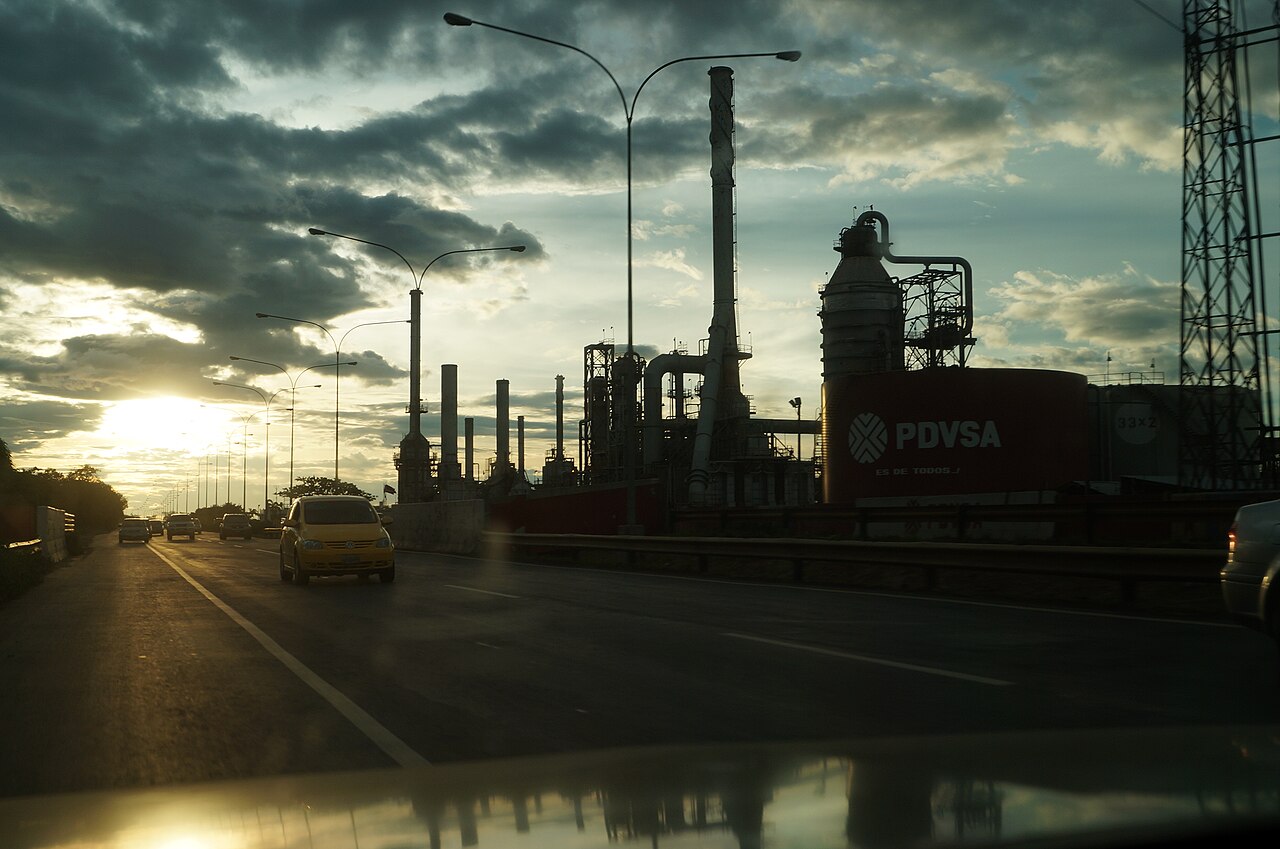
Export terminals are another bottleneck. Andy Lipow of Lipow Oil Associates told CNBC tankers have been waiting up to 30 days to load Venezuelan crude because of aging infrastructure and power outages at the ports. Goldwyn said the terminals would have to be expanded to handle more production and that it was unclear who was taking on that project. Chevron, the only major US oil company currently active in Venezuela through joint ventures with PDVSA, told its July earnings call that Venezuela production was up 15 percent to 280,000 barrels a day this year, with room to grow up to 50 percent through 2028 — roughly 400,000 barrels a day in about two years if that path holds. That is Chevron's existing book, not NABEP's new concessions.
Bob McNally, president of Rapidan Energy, told CNBC the political risk runs both ways. A Democratic president in 2029 could reconsider or terminate the deal. A future Venezuelan government could tear it up, as Caracas has done before. Even if the agreement holds, McNally said Venezuelan oil is not a major near-term factor in pump prices, though it could add large supplies over decades if the rebuild works.
Former US government energy advisers quoted in the AP file made the same point in plainer language: future administrations in Caracas or Washington could challenge the deal, and even a durable agreement still faces years of work on a dilapidated sector. That is not doom invented for colour. That is the printed analyst line sitting under Monday's celebration.
Capitol Hill wanted paper. Rep. Rick Crawford, the Republican chairman of the House Intelligence Committee, said he wanted to hear details from the Trump administration, hopefully sooner rather than later. Sen. Jack Reed, the top Democrat on the Senate Armed Services Committee, rejected the idea of using the military to boost a private oil venture and asked for a full accounting of the legal authority. "President Trump's effort to turn the U.S. military into an investor in Venezuelan oil is a blatant abuse of power and taxpayer dollars," Reed said in a statement carried by AP. Those are the Monday night Hill sentences. They do not kill the deal. They mark the oversight fight.
Now the SPR thread, kept in its lane. Trump's Sunday post said Venezuelan oil would refill the Strategic Petroleum Reserve. Bloomberg and World Oil had the reserve at 289.7 million barrels against more than 700 million barrels of authorised capacity — roughly 40 percent full, near a multi-decade low after drawdowns under both the Biden and Trump administrations. The Iran war drawdown path includes a March plan to release as much as 172 million barrels. The White House Monday sheet ties the State Department's at-cost 20 percent offtake to facilitating a refill of the strategic reserve and other government requirements. Trump also said Monday that Venezuela's heavy oil will go toward asphalt and other goods, and that the value had been sitting dormant.
Two practical caveats belong with that thread. First, production and ports have to move before caverns fill. Second, much of Venezuela's crude is extra-heavy and high-sulfur. The SPR's stored grades are, for the most part, lighter. Energy desks have already flagged that direct deposit into salt caverns may need blending, upgrading, or commercial exchange for lighter barrels. The Energy Department had earlier denied it was currently considering a swap scheme that would send Venezuelan crude to US refiners in exchange for US crude into the reserve. Sunday's post does not erase those technical constraints. It names an intent.
Tuesday, 1 September, was the refiner meeting. Trump planned to sit with large and small oil refiners on increasing America's capacity to turn crude into gasoline. Interior Secretary Doug Burgum, Energy Secretary Chris Wright, and Jarrod Agen, director of the White House National Energy Dominance Council, were listed as attendees in the AP file. The administration's line is straightforward: more refining capacity eventually lowers consumer prices, and more capacity is also needed to process Venezuelan grades. The meeting is context for Monday's deal, not a substitute for it.
How did the United States get to this table? Trump has been pushing Venezuelan oil production since the January military mission that captured then-President Nicolás Maduro on federal narcoterrorism and drug trafficking charges. Rodríguez took over as acting president. The White House frames the NABEP venture as the commercial follow-through: private operator, US equity and offtake rights, Venezuelan tax base, Western Hemisphere barrels that do not have to clear the Strait of Hormuz. Rodríguez frames it as modernisation without surrendering sovereignty. Both framings are on the record. Readers can weigh them.
Reserve arithmetic is why Trump can say the deal more than doubles American oil reserves on paper. The United States had about 46 billion barrels of proven oil reserves as of the end of 2024, per official figures cited by CNBC. A US-linked claim on 65 billion barrels of Venezuelan P1 reserves is larger than the entire US proven stock. Venezuela's national total is often put near 303 billion barrels, so 65 billion is about a fifth of the country's vast book — the fraction AP used when it said the Pentagon stake covers roughly a fifth of the country's reserves through this structure. Proven barrels on a concession map are not the same thing as barrels in a tanker. The paper number moved on Friday. The production number moves when wells, power, and ports work.
NABEP's near-term production goal above 1 million barrels a day, and Rodríguez's 1.5 million barrel-a-day initial target, sit against today's national output of about 1.2 million. Those targets are not incremental add-ons on top of the whole country's current flow. They are build-out targets for the fields under this concession set, and they assume investment that has been announced, not yet spent. The company's own two-year climb from 18,000 to more than 200,000 barrels a day is the proof point Betancourt wants investors and governments to remember. Scaling from 200,000 toward a million-plus on Orinoco and Maracaibo iron is a different engineering problem, which is why Goldwyn's five-to-seven-year Orinoco line and Rystad's multi-decade rebuild estimate are in this file.
What about the majors? Reuters reported after the Monday sheet that some large producers evaluating Venezuela raised red flags about the structure and about Betancourt's central role, noting past investigations by US and European authorities into earlier dealings with the Venezuelan government, though he was never charged and has denied wrongdoing. That sentence belongs as a sourcing note, not a courtroom verdict. Chevron is already in country. ExxonMobil and ConocoPhillips have been cautious in public comments about returning, citing infrastructure, security, and legal history. Monday's deal does not automatically put those balance sheets into the 17 fields. It puts NABEP there, with a US government stake and offtake rights.
Positive-news desks will correctly note what Monday locked in that Friday only sketched. A named operator. A named equity percentage. A named offtake percentage. A right of first refusal on the rest. A zero-cost claim for the US Treasury on the equity piece. A US-law wrapper. A manufacturing-purchase line for American suppliers. A hemispheric supply story while Middle East flows stay disrupted. Venezuelan jobs and tax projections on Rodríguez's side of the table. Those are real printed elements of the deal as disclosed.
Accurate desks will also keep the clocks honest. Friday was the slogan and the 65 billion barrels. Saturday was Rodríguez's 17 fields, investment, tax, and sovereignty language. Sunday was the SPR refill post. Monday was NABEP, the Pentagon's Office of Strategic Capital at 35 percent, State at 20 percent at cost, the 100-year concessions, and the governance sheet. Tuesday was refiners. Years is still the analyst word for meaningful new Orinoco volume. Two years is the President's own spoken allowance for a price effect he still calls short.
Distances matter in the ordinary way. Lake Maracaibo and the Orinoco Belt are not a single pad. Heavy oil in the Orinoco often needs diluent, upgraders, and long pipeline runs before it becomes an export grade a Gulf Coast refinery wants. Maracaibo has older lake infrastructure and a documented maintenance backlog. The US Gulf Coast refining system already knows Venezuelan grades from earlier decades. Knowing a grade is not the same as having spare coking capacity on Tuesday morning. That is why the refiner meeting sits next to the fact sheet in the week's calendar.
For Australian readers watching US energy politics from Adelaide, the practical takeaway is narrower than the Truth Social headline. The United States has disclosed a joint-venture style arrangement that puts a Pentagon financing office into a Venezuelan oil company, gives State a cost-price claim on a fifth of that company's barrels, and points those barrels at strategic storage, asphalt, and eventually gasoline after refining capacity catches up. The operator already produces hundreds of thousands of barrels a day. The concession book claims tens of billions of barrels. The spend claim is nearly $100 billion. The skepticism is about time, ports, politics, and heavy-oil chemistry — not about whether Monday's fact sheet exists.
One more number set to keep straight when someone conflates this file with Sunday's SPR post. The reserve held about 289.7 million barrels on the 21 August prints Bloomberg and World Oil used, against roughly 714 million barrels of authorised room. Trump's Sunday language was about topping out. Monday's offtake right is one mechanism that could feed that topping out if and when compatible barrels are available. This hero is not a cavern inventory story. It is a deal-structure story. The caverns are one offtake destination among several.
Here's the production path in plainer English. NABEP is already above 200,000 barrels a day. Chevron is around 280,000 and talking about a path toward 400,000 by 2028. The country's total is about 1.2 million. Peak was 3.5 million in the late 1990s. Getting from today's national book back toward that peak is the Rystad $180 billion-through-2040 problem. Getting NABEP's concession set from 200,000 toward a million-plus is the company's near-term claim. Those are nested clocks, not one clock. A reader who collapses them will misread every headline that follows.
Heavy oil is not a vibe. It is viscosity, sulphur, and diluent. Orinoco Belt crude is typically extra-heavy. Gulf Coast coking refineries historically ran Venezuelan grades when the trade was open. Diluent has to move in so the crude can move out. Upgraders that convert extra-heavy into synthetic lighter grades need power, spare parts, and years of capital discipline. When Goldwyn says five to seven years for Orinoco fields with little or no infrastructure, he is talking about that stack — pads, gathering lines, diluent, power, upgrading, and port capacity — not about a press officer's optimism.
Lake Maracaibo is the older basin in the story. It has decades of lake platforms, pipelines under water, and a maintenance record that Venezuelan and foreign desks have documented as strained. NABEP naming Maracaibo and the Orinoco together is a portfolio statement: some barrels may come from rehabilitating known lake assets faster; other barrels wait on greenfield Orinoco iron. The company's two-year climb to 200,000 barrels a day shows it can scale something. Monday's concession map asks it to scale something much larger.
What does "at cost" actually buy the United States? The fact sheet language is a guaranteed right to purchase 20 percent of NABEP's current and future operated-field output at production cost, routed through the State Department. That is not a spot-market purchase at Brent. It is a preferential offtake. The equity stake is separate: Office of Strategic Capital at 35 percent of the corporate parent, with the White House pitching hundreds of billions in value and dividends over time if the reserves commercialise. Right of first refusal on the other 80 percent means Washington can step to the front of the queue for the rest, still subject to whatever price terms that refusal right carries in the unread contract. Effective control of barrels is a stack of rights. It is not a single share certificate taped to a wellhead.
"Zero cost to the American taxpayer" is the administration's phrase for the equity entry. NABEP, not the US Treasury, is putting up the nearly $100 billion infrastructure commitment on the company's own statement. Critics on the Hill, including Reed, read the Pentagon's ownership role as a use of the military in a private venture and want the legal authority spelled out. Supporters read it as strategic capital pointed at Western Hemisphere supply while the Iran war keeps Middle East risk elevated. Both readings are in Monday's clips. The fact sheet does not settle the constitutional argument. It states the commercial terms the White House is willing to put on paper.
Manufacturing purchases are the domestic jobs paragraph that does not need Caracas to work. If NABEP buys pipe, pumps, compressors, drilling kit, and control systems from US suppliers at the scale the release describes — billions of dollars — that is orders on American shop floors whether or not the first Orinoco pad spuds on schedule. How large those orders become, and how fast, depends on the same investment calendar as the wells. The line is real in the release. It is not yet a purchase-order ledger you can audit from Adelaide.
Compare the reserve claim to the US book one more time, because Friday's "more than doubles American oil reserves" line will keep circulating without the caveat. End-2024 US proven reserves: about 46 billion barrels. Concession claim in this deal: more than 65 billion barrels of Venezuelan P1. On paper, that claim is larger than the entire US proven stock. Proven reserves are an SEC- and industry-style category of barrels judged commercially recoverable under stated conditions. They are not inventory in Cushing. They are not SPR caverns. They are not tomorrow's gasoline. Trump's Friday post treated the reserve claim as the headline. Monday's sheet treated the corporate rights as the mechanism. This file treats both as printed claims that still need production to become supply.
The Maduro-to-Rodríguez arc is the political precondition. In January, US forces captured Maduro on federal narcoterrorism and drug trafficking charges. Rodríguez became interim president. Negotiations over oil access ran for weeks before Friday's post, per the Reuters Friday file summarised across the wires. The deal is the commercial chapter of that political break. Rodríguez's Saturday insistence on sovereignty is aimed at Venezuelan critics who say the fields are being handed over. The White House's US-law and US-board language is aimed at American critics who say the structure is too loose or too entangled with a Venezuelan operator. Each side is speaking to its own audience while signing the same sheet.
You should also keep Chevron's path in view so NABEP does not look like the only moving part. Chevron's CFO said on the 31 July earnings call that Venezuela production was up 15 percent this year to 280,000 barrels a day, with potential growth up to 50 percent through 2028. That is an incumbent major working inside existing joint ventures with PDVSA. Monday's 17 fields are a different map, previously linked in the White House telling to Russian or Chinese holders. Parallel tracks can raise national output without being the same project. Parallel tracks can also compete for the same port slots, the same power, and the same scarce service crews. Port congestion at 30-day waits is the reminder that export capacity is a shared constraint.
Asphalt and heavy products are the other offtake sentence Trump offered Monday. Extra-heavy barrels that are awkward for SPR specs can still feed asphalt, residual fuels, and certain refining campaigns. That does not refill a cavern. It does put molecules into the US product slate if the logistics work. When someone asks whether Venezuelan oil "goes into the reserve or into gasoline," the accurate answer from Monday's clips is: some of both, plus asphalt, on a timeline set by production and by refining kit — not by a social-media clock.
One housekeeping note on dates, because wires jumped the day line. The White House fact sheet and NABEP PR Newswire hit late Monday night, 31 August, US Eastern time. AP's NBC and GPB files carried 31 August evening and 1 September early-morning stamps depending on the outlet's clock. Trump's Friday post was 28 August. Rodríguez's address was 29 August. The SPR post was 30 August. The refiner meeting was set for Tuesday 1 September. This Wednesday morning Adelaide file is 2 September local. If a secondary blurs "Monday details" into "1 September," check the Eastern timestamp. The structure landed on the US Monday night.
What this paper is not doing: inventing boardroom scenes, inventing Betancourt's private motives, inventing a barrel count that has already landed in Bryan Mound, or pretending the unread contract has been leaked to Hindmarsh. The primaries are the Truth Social posts, the NABEP PR Newswire, the White House fact sheet as carried by AP, NBC, CNBC, GPB, World Oil, and energynews.pro, plus the named analyst quotes. Where figures diverge — 25-year political frame versus 100-year concessions, $209 billion tax language versus $200 billion royalty-and-tax over 25 years — both printed versions stay in the file.
So where does that leave you on Wednesday morning, 2 September 2026? The United States and NABEP have a disclosed bargain: operate the fields, take the equity, buy at cost, invest the infrastructure money, sell the hemisphere-supply story, and argue about timelines in public. Rodríguez says sovereignty holds. Rubio says America First wins. Betancourt says the potential is untapped. Goldwyn says years. Trump says two years can be short. Reed wants the legal memo. Crawford wants the briefing. The Iran war still has gasoline near $4.08. The 17 fields are named in the sheet. The contract text is not.
The deal puts the Pentagon in the oil. That sentence is no longer a rumour from an unnamed official. It is Monday night's fact sheet, NABEP's own wire, and the AP and CNBC write-ups that carried both. Production is the next metric that will decide whether Friday's headline ages into a supply story or stays a reserve-claim story. Until those barrels move, the accurate file is the one you just read: dates, percentages, fields, quotes, and the years the analysts refused to delete.
The paper
Comments
No notes on this story yet.
Sign in to comment