Forty-five Cybercabs are on the Texas commercial book. Tesla Robotaxi, LLC added purpose-built 2026 Cybercabs to the Texas Motor Carrier Credentialing System on Monday, 31 August. The public lookup first showed seven. By 11:55 a.m. Pacific the same day it showed 45.
Their VINs begin 5YJA. The Model Y robotaxis already on that list begin 7SAYG. Trackers counting the same records put Tesla's authorized Texas robotaxi total above 300 once the Cybercabs sat beside roughly 269 Model Ys. A listing is not a paid fare.
The object is a row in a state database. TxDMV runs the Motor Carrier and Automated Motor Vehicle Operator Lookup through TxMCCS. TeslaNorth filed the Monday entries on 1 September. Teslarati's Joey Klender had the same lookup on 31 August, first at seven cars, then an update to 45. Sawyer Merritt, posting that afternoon, wrote: "Here we go! Tesla has just added another 38 Cybercabs to its Robotaxi fleet, bringing the total up to 45, according to the Texas DMV." Those are public records under Tesla Robotaxi, LLC. They are not a button in the Robotaxi app.
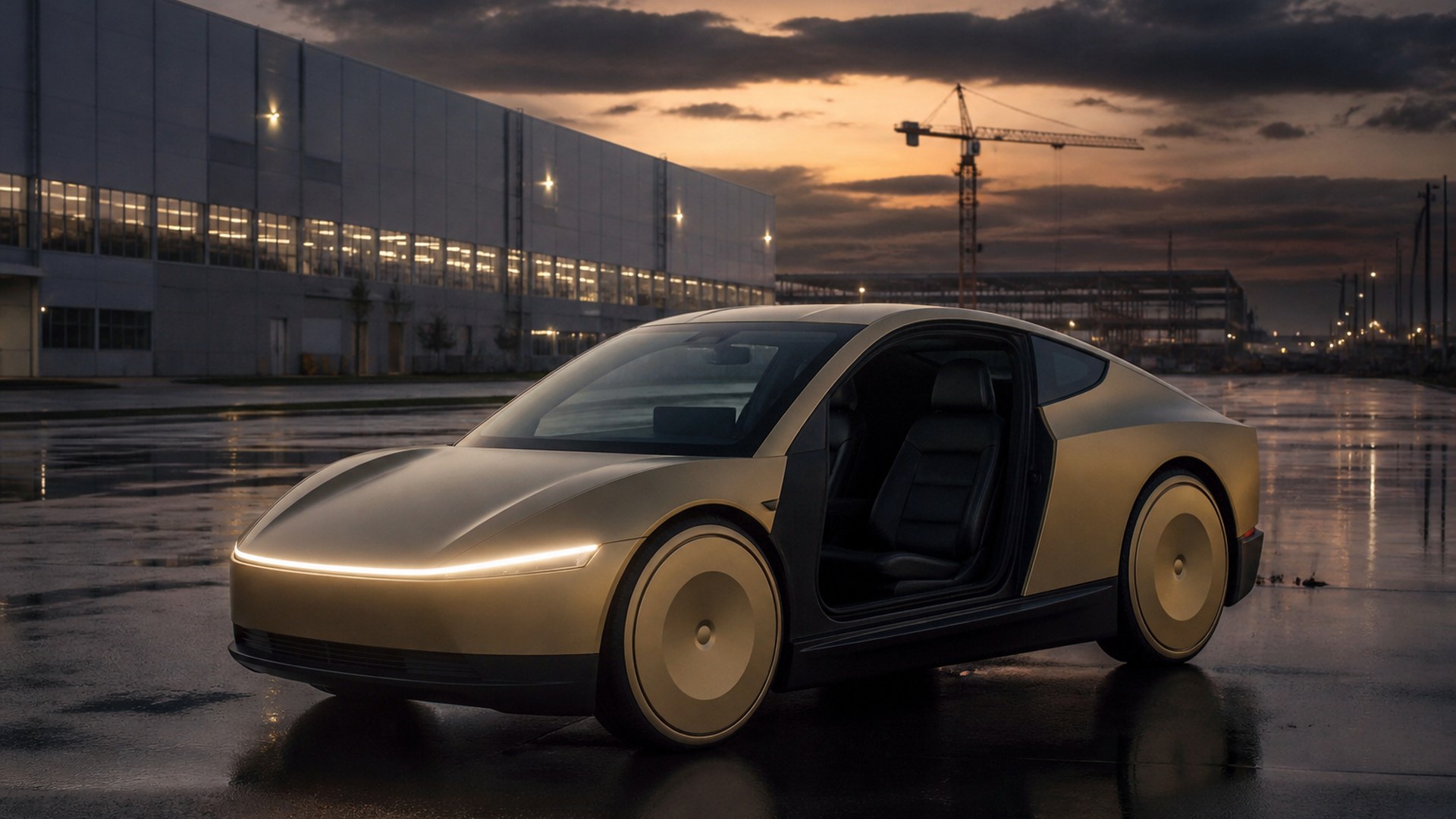
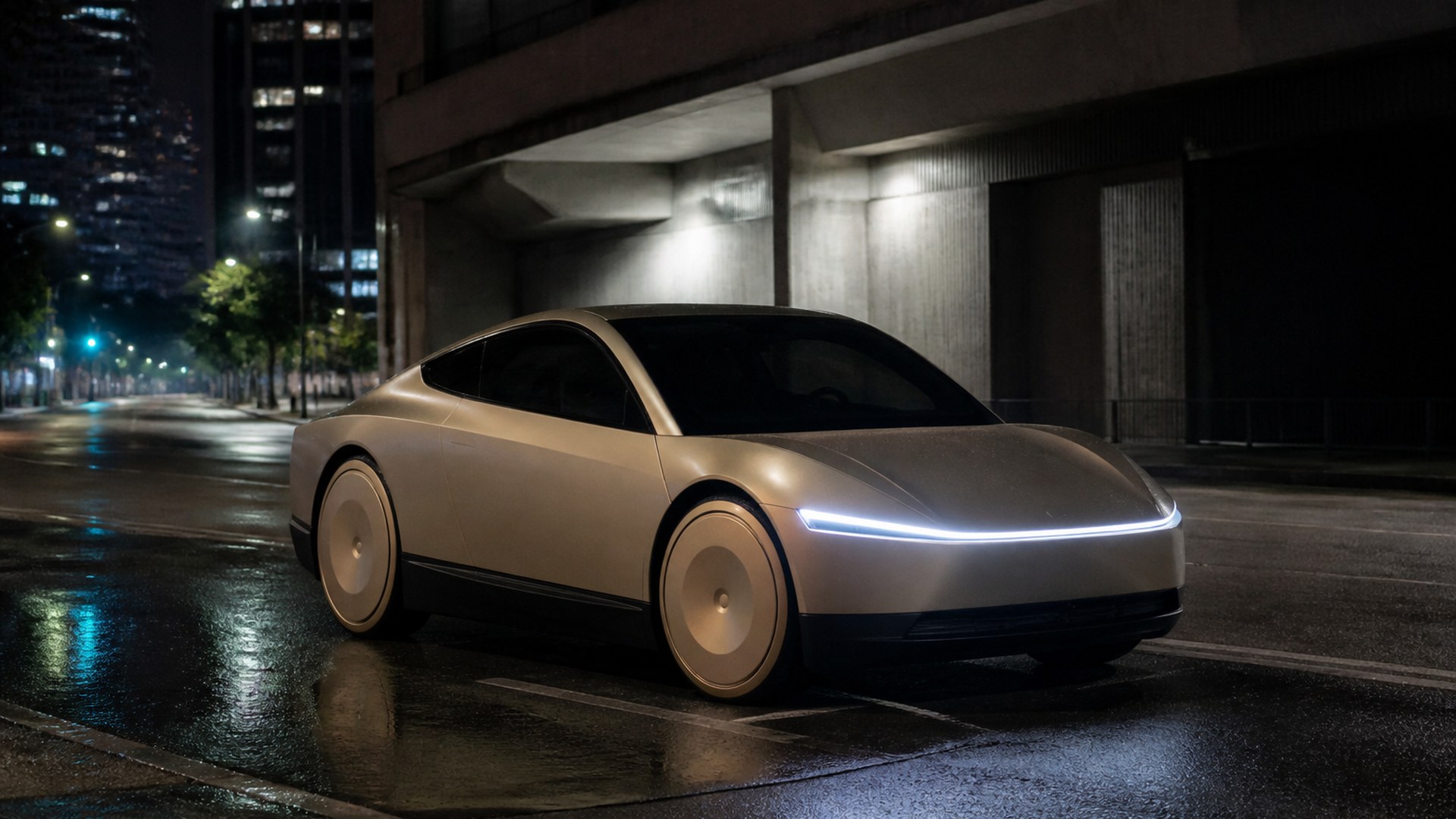
The cars on those rows are 2026 Cybercabs. Two seats. No steering wheel. No pedals. Purpose-built for unsupervised commercial work, not a Model Y with the wheel still in the car. Production is at Gigafactory Texas, the hall Tesla's Q2 2026 shareholder update already put on the record when Cybercab sat in the Production column at more than 125,000 units a year. The factory story is that update. This one is the Texas book.
Senate Bill 2807 is why the book exists. The 89th Texas Legislature passed it in 2025. TxDMV's Automated Vehicles Regulatory Program page is the primary. The bill took effect 1 September 2025 so agencies could write rules. Those rules became effective 27 February 2026. Authorization requirements became enforceable 90 days later: 28 May 2026. From that date, a company running automated vehicles commercially on Texas roads has to hold an active TxDMV authorization. The laws sit in Texas Transportation Code, Subchapter J, Chapter 545.
What does "commercially" mean on that page? Operation of an automated motor vehicle to transport property or passengers in furtherance of a commercial enterprise, on Texas roads, without a human driver. Individually owned vehicles used for personal driving do not need the authorization. Tesla is not listing these Cybercabs as weekend toys. It is listing them on the commercial operator account it already holds for Robotaxi.
TxDMV is blunt about the paperwork. Apply through TxMCCS. No fee. Authorizations do not expire. They stay valid until the department revokes them. The applicant certifies each vehicle is capable of following Texas traffic law, carries a required recording device, uses an automated driving system that complies with federal law, can reach a minimal risk condition if that system fails, is titled and registered, and carries liability coverage or self-insurance at least at the legal minimum. The applicant also certifies that the Texas Department of Public Safety has the first-responder interaction plan required by Texas Transportation Code §545.455. After approval, the holder adds and deletes specific vehicles on the same account. Material changes have to be updated within 30 days.
Level 4 is the SAE line Texas wrote into the statute. TxDMV defines an automated vehicle as one with an automated driving system capable of Level 4 or Level 5 under SAE International Standard J3016 (April 2021). Tesla already completed that process for the Model Y Robotaxi service in Austin, Dallas, and Houston. Adding Cybercab VINs to the same authorization is the legal step that lets those purpose-built cars operate commercially on Texas roads. TeslaNorth put it that way. Forty-five new 5YJA rows are that list moving.
A listing is still not a paid fare. Thursday, 3 September, Tesla still has an invite-only Cybercab launch event in Austin. That night is its own story. It is not this lede. Tesla has not said how many of the newly listed Cybercabs will carry guests there, or when a Cybercab enters the Robotaxi app for ordinary riders. Teslarati noted the company has described the evening as a chance to "experience the future of full autonomy" and plans to livestream it. That sentence is Tesla's invite language. It is not a fare table.
Paid Robotaxi trips in Texas still run on the Model Y fleet. TeslaNorth said Tesla has been staging gold Cybercabs in Dallas and running them on Austin streets while those paid rides stay on the Ys. The Dallas geofence is a different object. Tesla Robotaxi posted a bigger Dallas service-area map on Friday, 29 August. That map is a different story. Hours on the network, as Tesla Robotaxi put them on the record on 26 August, are 6 a.m. to 10 p.m., seven days, across Austin, Dallas, Houston, Miami, Orlando, and Tampa. That clock was already running on 7SAYG cars.
Look at the prefixes, because they are the factory talking. 7SAYG is the Model Y robotaxi block that has dominated the Texas authorization since Tesla self-certified under SB 2807. Drive Tesla Canada had Tesla Robotaxi, LLC on TxMCCS on 28 May, the first enforceable day, with Model Y VINs. 5YJA is the new block. Forty-five cars in a few hours on a Monday morning is not a slow drip. The public lookup is the same tool law enforcement is told to use. TxDMV points officers at the Truck Stop records. You can search operators and vehicles without logging in. That is the point of a commercial book. It is meant to be checked.
Enforcement splits. DPS and local agencies handle the road. TxDMV's Enforcement Division handles the authorization. From 28 May, concerns that meet the serious-bodily-injury standard in Texas Penal Code §1.07 can be filed with the department. If TxDMV decides a vehicle under an authorization is not in safe condition and endangers the public, it can suspend, revoke, cancel, or restrict the authorization. None of that is a Cybercab review. It is the statute the 45 cars now sit under.
How many of those 45 will take a paying passenger this week? Tesla has not published that number. Trackers watching the same lookup put the authorized Texas robotaxi total above 300 once the Cybercabs sat next to those roughly 269 Model Ys. Teslarati, at the seven-car snapshot, had 276: 269 Ys and the first seven Cybercabs. The arithmetic is simple after the update. Tesla is putting dedicated robotaxi hardware on the same commercial roster as the cars already taking paid trips.
Giga Texas has been building the object for months. Tesla told shareholders the first production Cybercab left the line in February and employee rides on campus started in July. Teslarati called the cars on Monday's TxMCCS rows the finished design without pedals and a steering wheel. I'm not inventing a battery kilowatt-hour figure. The VIN list is enough.
The Robotaxi app is the other half of the sentence people want. Registration does not open a geofence by itself. Tesla already runs unsupervised Model Y rides in Texas cities under the same authorization. Adding a second vehicle family to the active list is how SB 2807 expects an operator to grow a fleet: keep insurance, keep the list current, keep the cars on the authorization. Forty-five is a small number against a factory that listed more than 125,000 units of annual Cybercab capacity. It is a large number against seven at breakfast. The book moved on a Monday. The fare window is a different clock.
Thursday remains Thursday. Austin remains Austin. I'm on the 45 VINs. Tesla Robotaxi, LLC. TxMCCS. 31 August 2026. 5YJA. Forty-five by 11:55 a.m. Pacific. The two-seaters are on the commercial roster. They are not, on this evidence, taking your paid trip tonight.
The paper
Comments
No notes on this story yet.
Sign in to comment